Practice

Thoughtful design,
deeply collaborative.

Studio Pomegranate was established in 2013 by Shweta Shah and Pranav Naik with a commitment to integrated, collaborative design. We seek out opportunities to improve the design process and ensure the growth of everyone involved — clients, collaborators, and community.

Environmental appropriateness is the foundation of every decision we make — from orientation and material selection to building systems. We design for the complete life cycle of a building, enabling it to adapt to changing programmes and needs over time.

01
Environmental appropriateness
Sustainability embedded in every decision — orientation, materials, systems, and the full life cycle of the building.
02
Collaborative process
Design grows through genuine exchange — with clients, communities, makers, and every person who touches the work.
03
Adaptive buildings
We design for the complete life cycle, enabling structures to accommodate change in programme and need over time.
04
Knowledge sharing
Active participation in education, lectures, and mentorship — putting ideas back into the field that shaped us.
Philosophy

Architecture in service of
people and place.

Studio Pomegranate was founded on a simple premise: that good architecture is inseparable from the people who inhabit it and the communities that surround it. Since 2013, we have practised from this belief, working across scales from furniture to urban design, always in service of places that are genuinely useful and quietly lasting.

Our work begins with listening. We take time to understand the specific character of a site, the precise requirements of a brief, and the longer arc of how a space will be used over years, not just at hand-over. This patience — which we think of as rigour — produces buildings and interiors that feel considered rather than imposed.

We hold collaboration as both method and value. Architects, engineers, contractors, craftspeople, and clients are not external to the design process — they are the design process. The strongest work we have done has emerged from that exchange: ideas refined through friction, improved through trust, and carried through to the last detail with care.

Environmental appropriateness is the foundation of every decision we make. From building orientation and material selection to systems integration and end-of-life adaptability, we design for the complete life cycle — so that what we build today remains useful, beautiful, and relevant decades from now.

01
Listen
Extended conversations about programme, aspiration, and context — building a shared understanding of what the project genuinely needs to be before we draw a single line.
02
Research
Site analysis, precedent study, material investigation, and user research. We go wide before we narrow — opening the project to possibilities before testing what fits.
03
Conceive
Spatial and formal concept development. The early stage is generative and open; we pursue several directions simultaneously before committing to a clear idea.
04
Develop
Detailed design, drawing coordination, material specification, and consultant integration. Every scale from structural system to door handle is resolved before we build.
05
Build
Close on-site involvement through construction — regular visits, material selection, quality checks — ensuring the built result is faithful to the intention of the design.
Typology
Hospitality
From intimate neighbourhood cafés to large-scale resort design, our hospitality work spans scale, region, and atmosphere. We approach each project by asking what this particular place wants to feel like — and then designing every detail from that answer. The result is spaces that are specific to their site and authentic to the experience they are meant to create, rather than simply dressed in the language of the moment.
Thirsty City 127, Mumbai Ariko Café, Hyderabad Bar Spirit Forward, Bengaluru The Tangra Project, Delhi Island Resort, Andaman Islands Mag St. Café, Colaba
Typology
Residential
Home is the most personal of design briefs. Whether we are working on a ground-floor heritage flat in Worli, a hilltop lake house in Igatpuri, or a high-rise apartment in Lower Parel, we begin by understanding the rhythms and rituals of daily life for the specific family who will live there. Our residential work is characterised by considered material palettes, furniture designed for the space, and an enduring attention to natural light, ventilation, and privacy.
Home of a Sports Star, Mumbai Fairview Estate, Goa Lake House, Igatpuri Home in Powai Nepeansea Road, Mumbai Shivaji Park, Dadar
Typology
Retail
Retail environments must do many things at once: communicate a brand with clarity, accommodate operational requirements efficiently, and create an experience that draws people in and holds their attention. Our retail work includes the design of multiple stores for Ritu Kumar across Mumbai, each balancing the consistency of an established brand identity with the particular character of its neighbourhood and clientele — from the flagship at Kala Ghoda to stores in BKC, Juhu, and Kemps Corner.
Ritu Kumar Flagship, Kala Ghoda Ritu Kumar, Kemps Corner Ritu Kumar, BKC Ritu Kumar, Juhu Ritu Kumar, Lower Parel
Typology
Urban Design
The city is itself a design project — one that requires patience, systems thinking, and a willingness to work at the scale of streets and neighbourhoods rather than individual buildings. Our urban work asks how public space can serve the people who actually live nearby: studying pedestrian movement, activating under-used infrastructure, and designing interventions that are robust enough to absorb the unpredictability of urban life over time.
Abhyaas Galli, Worli Spaces Under the Bridge, Lower Parel Walking Spaces, Dadar Focus Photography Festival
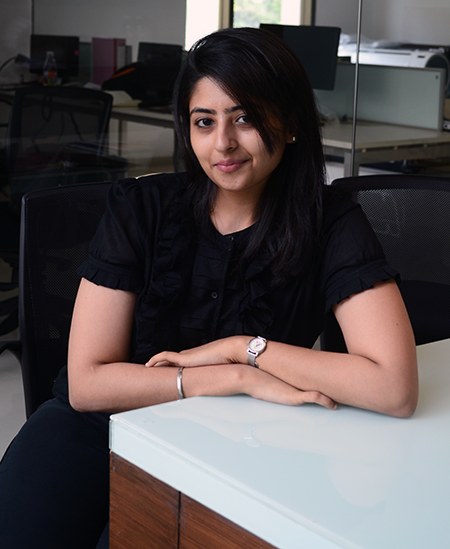
Shweta Shah
Shweta Shah
Principal  •  Co-Founder

Shweta holds a Master of Architecture from Savannah College of Art and Design, specialising in Digital Architecture. Her work sits at the intersection of technology, community, and built form.

She is the author of Digital Urbanization of a Potter's Colony: Slum Redevelopment, Dharavi, Mumbai — a study of informal urbanism and the role of digital tools in reshaping it.
SCAD Digital Architecture Urbanism
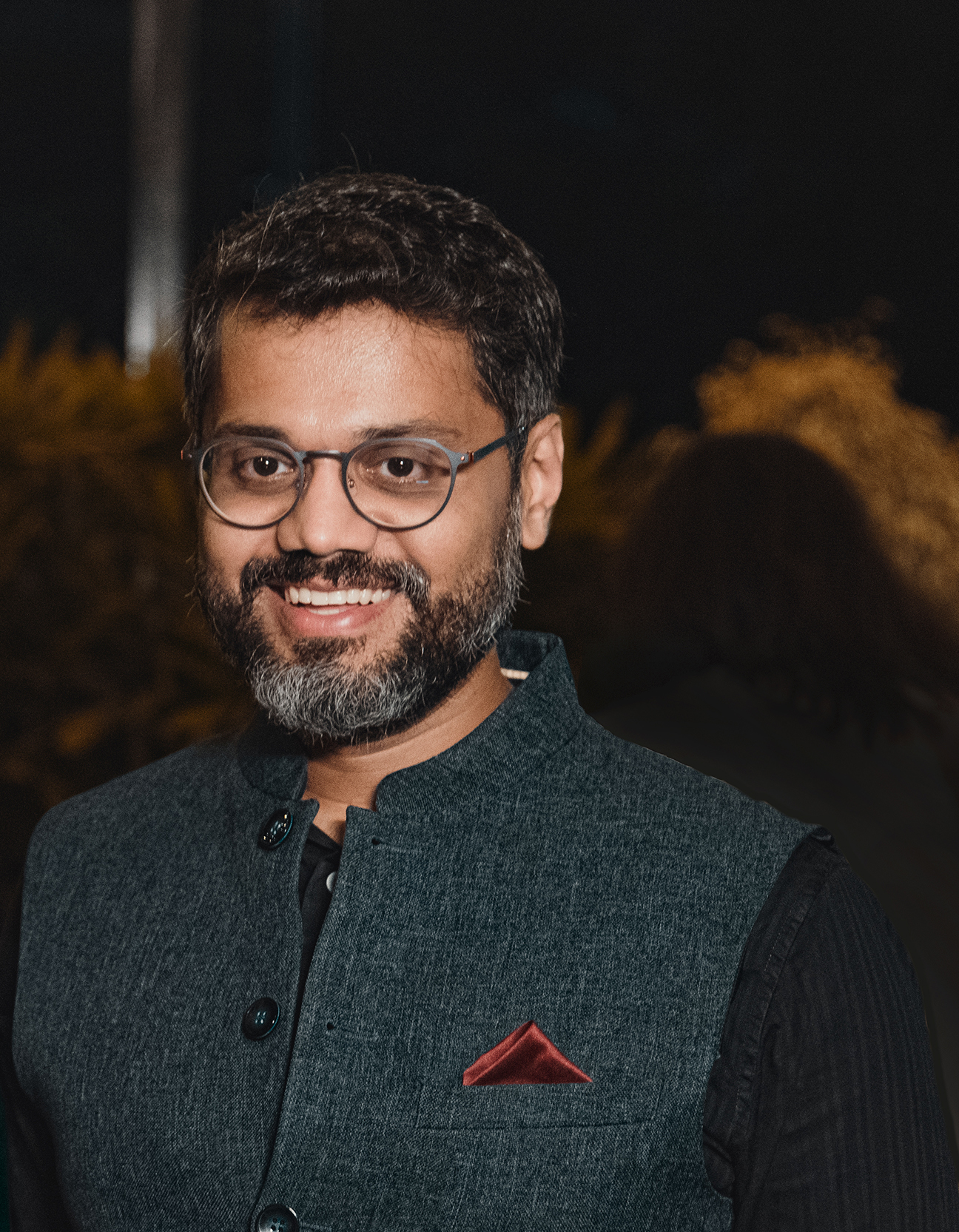
Pranav Naik
Pranav Naik
Principal  •  Co-Founder

Pranav holds a Master of Architecture from Taliesin, The Frank Lloyd Wright School of Architecture. He brings extensive hands-on knowledge of construction across scales — from furniture to buildings.

He has delivered lectures at the Centre for Science and Environment, IES, Rachana Sansad, Rizvi, and the School of Environment and Architecture. He travels Mumbai and Bengaluru by bicycle, climbs rock, and dives.

Taliesin Construction Education Sahyadris